
What is artificial insemination?
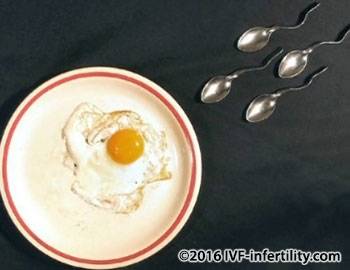
Artificial insemination is a term that covers a range of techniques of placing sperm into the female genital tract. Such inseminations may include intravaginal insemination, intracervical insemination, intrauterine insemination, intrafallopian insemination and intraperitoneal insemination (where sperm are placed inside the pelvis near the mouth of the fallopian tubes and ovaries).
The most commonly used techniques are intrauterine insemination followed by intracervical and intravaginal insemination.
Over 200 years ago, John Hunter, a Scottish surgeon injected a man sperm into his wife vagina using a syringe to overcome infertility; as the man suffered from severe hypospadias. The procedure resulted in a normal pregnancy. The first reported case of human donor insemination was by William Pancoast in 1884 in USA. Bunge and Sherman first reported the first pregnancy from artificial insemination with frozen and thawed semen in 1953.
Artificial insemination may use the husbands sperm (AIH) or donor sperm (AID).
Who might benefit from insemination using husband/ partner sperm?
- Men who are unable to ejaculate inside their wife’s vagina for whatever reasons. This is the classical indication. Causes for ejaculation failure include diabetes, multiple sclerosis, spinal cord injury and retrograde ejaculation, where sperm are released backward into the bladder instead of urethra. Retrograde ejaculation may be due to diabetes, trauma or operation in the bladder neck or a side effect of certain drugs.
- Men with mildly low sperm count, poor quality sperm or antisperm antibodies.
- Men who wish to freeze their sperm for possible future use before vasectomy, chemotherapy or radiotherapy for cancer.
- Women with mild endometriosis.
- Women with cervical mucus hostility or poor cervical mucus.
- Couples with unexplained infertility.
- Some infertility clinics may offer intrauterine insemination of a HIV negative woman with washed and prepared sperm of her HIV positive husband/partner.
In the United Kingdom, NICE updated its Fertility guidelines (2013) and recommended against routinely using intrauterine insemination to treat unexplained infertility, mild male factor infertility and mild endometriosis.
The number of IUI treatment cycles in the United Kingdom have decreased by around 50% since 2013. During the year 2016 there were justover 8000 treatment cycles in the UK (HFEA report 2018)
Previous | Next | Page: 1 2 3 4 5 6 7 8 9 10 11 12 13 14 15 16